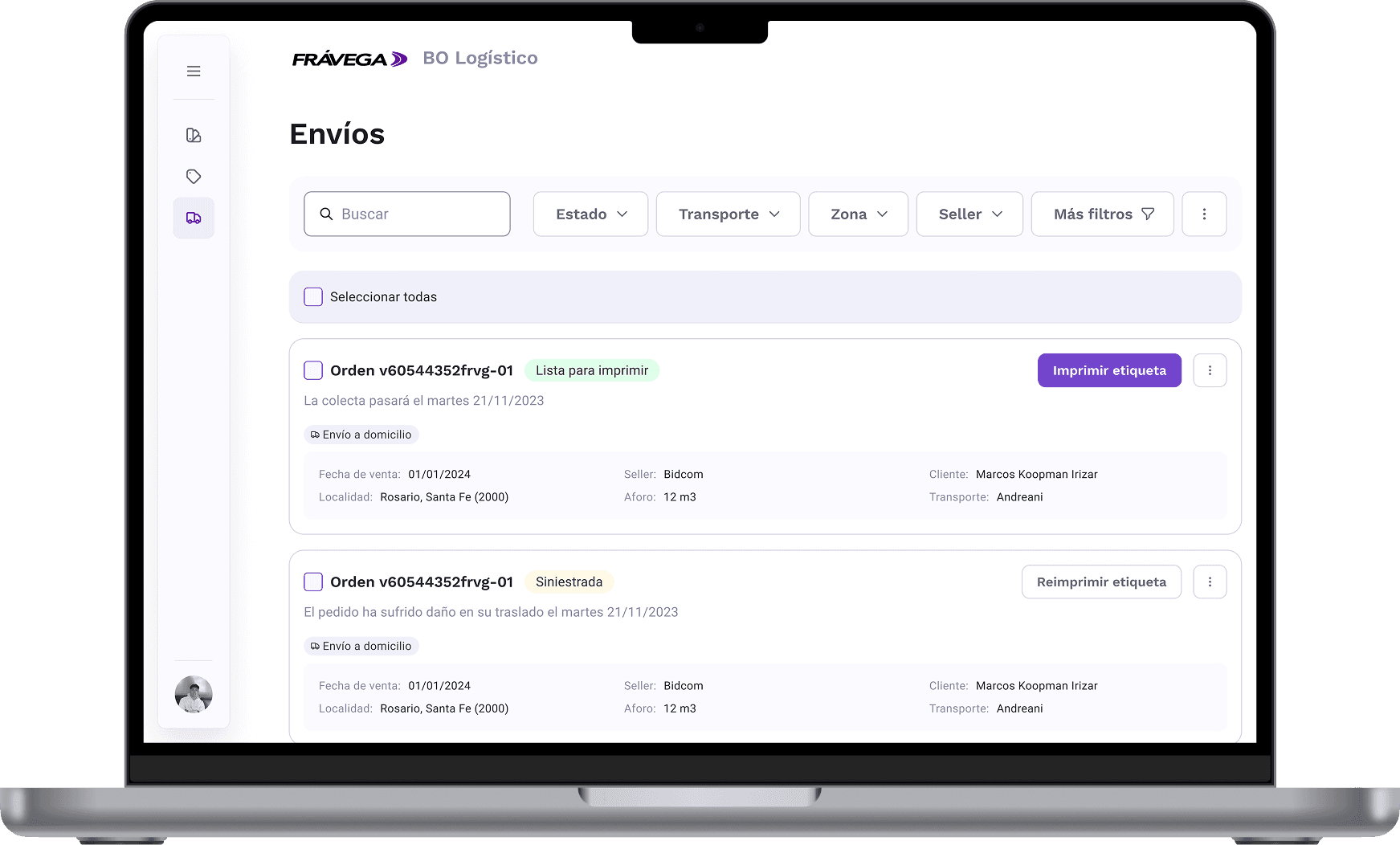
One of Frávega’s main strategic goals was to move away from a third-party logistics backoffice (EnvíoPack) and regain full control over its operations.
Research
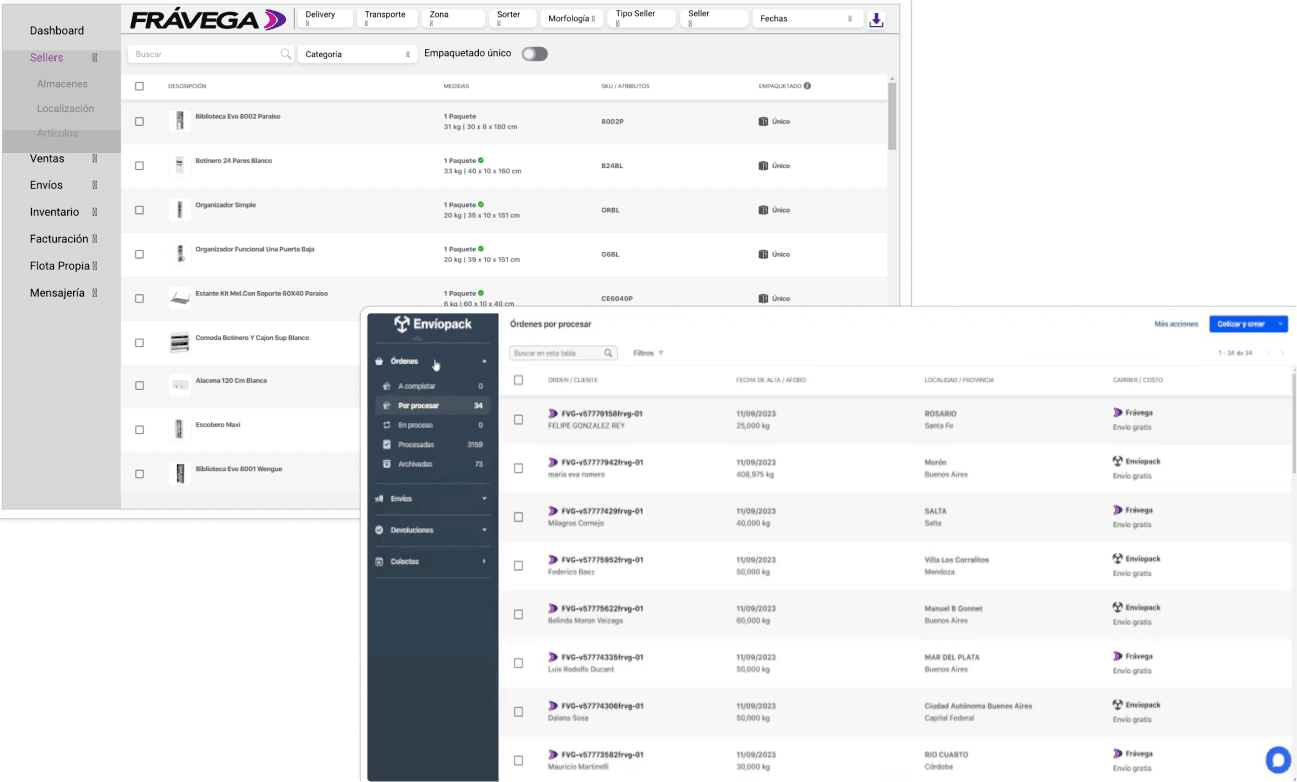
Our primary users were branch and warehouse managers, responsible for tracking shipments, reviewing order statuses, and managing daily logistics operations. Early research revealed a major inefficiency: to complete a single workflow, users had to rely on two different systems EnvíoPack and an internal backoffice.
Unification
High priority
Consolidated all tools into a single platform.
Fewer steps
Medium priority
Reduced redundant actions across sales and returns flows.
More detailed statuses
Medium priority
Introduced new shipment status checkpoints to improve process visibility.
Insight
Envíopack Dependency
One of the biggest findings was the dependency on Envíopack, an external platform used for shipment tracking. This led to duplicated work and fragmented data across systems.
No single platform
No single platform to manage shipments, sales, and returns end-to-end. Poor visibility into shipment status and key operational checkpoints
After a deep discovery phase, we began iterating on multiple solution concepts, validating each one through continuous user testing. This process led us to redefine the product architecture around three core pillars:
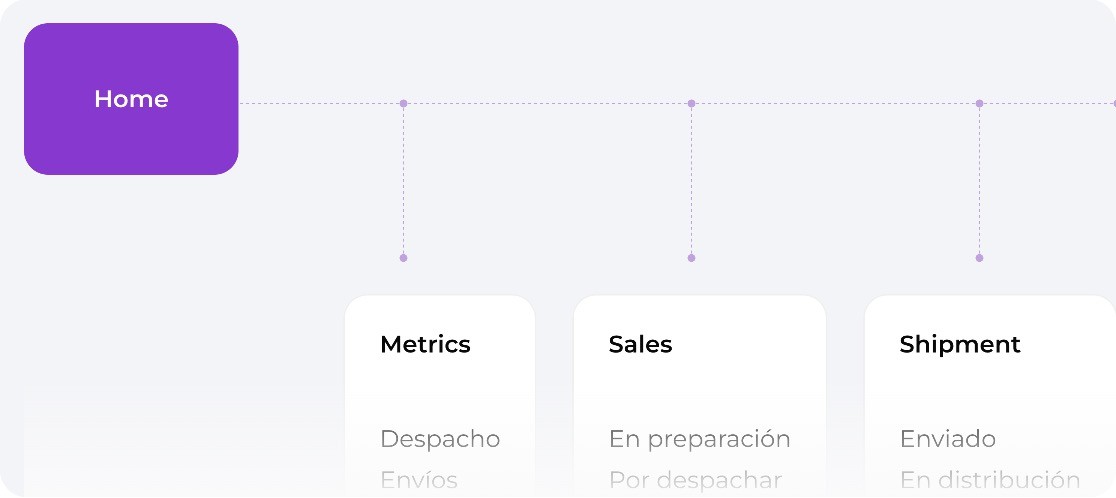
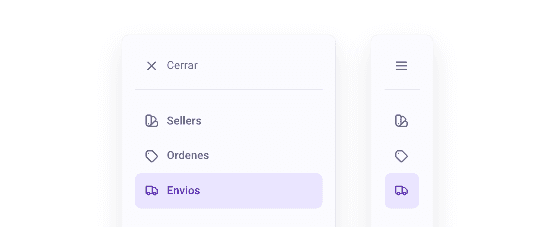
We established a modular UI system as the foundation of the project.
This decision allowed us not only to solve the immediate logistics problem, but also to create a scalable layout system reusable across multiple backoffice tools within the company.
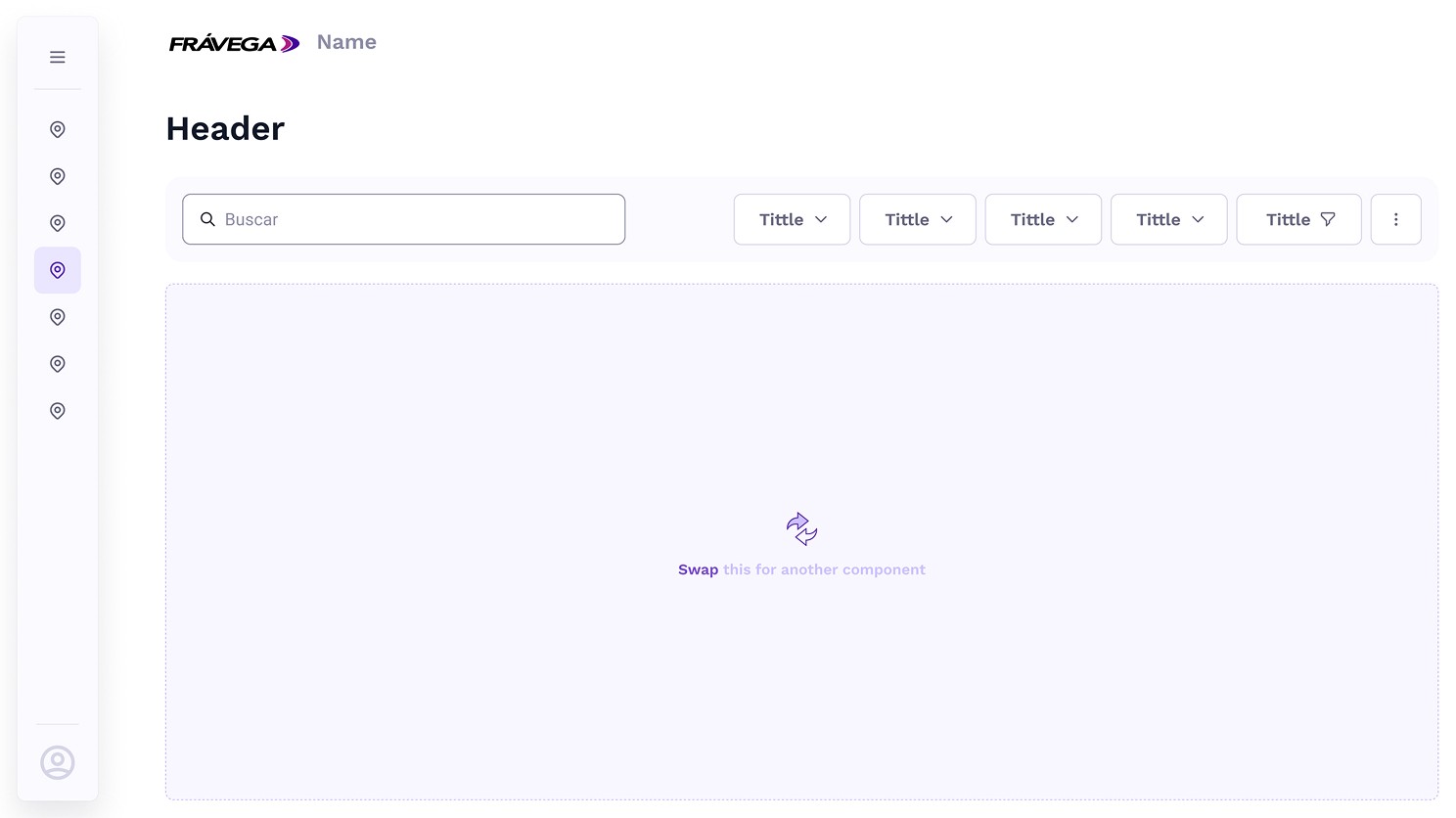
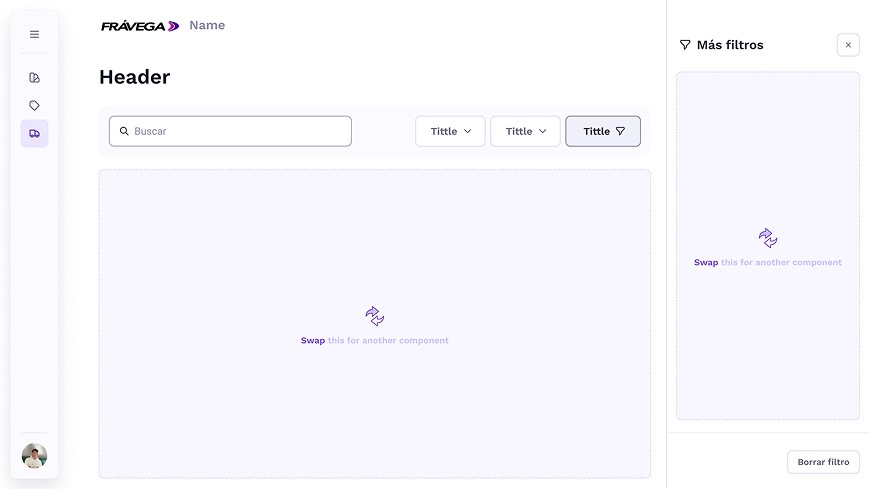
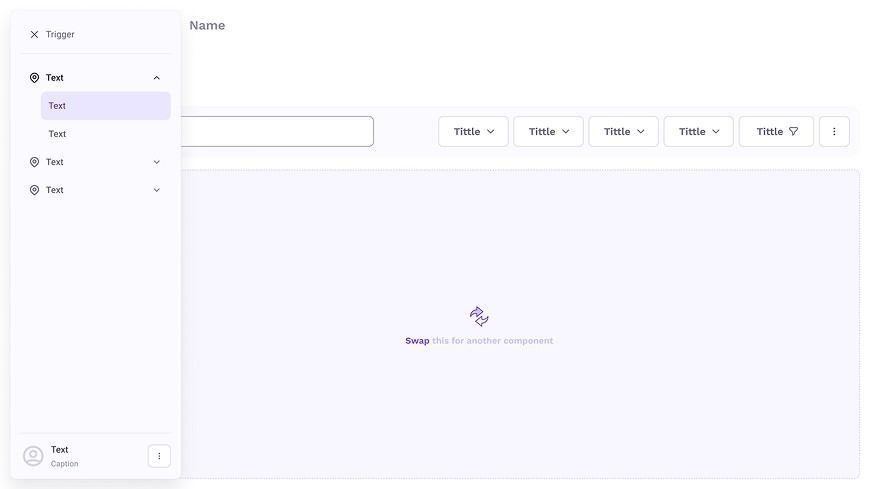
I actively contributed to the definition of modular components and patterns within the design system, ensuring scalability, consistency, and long-term maintainability.
The design focused on simplifying interactions, improving shipment visibility, and reducing operational friction for high-volume, day-to-day use.
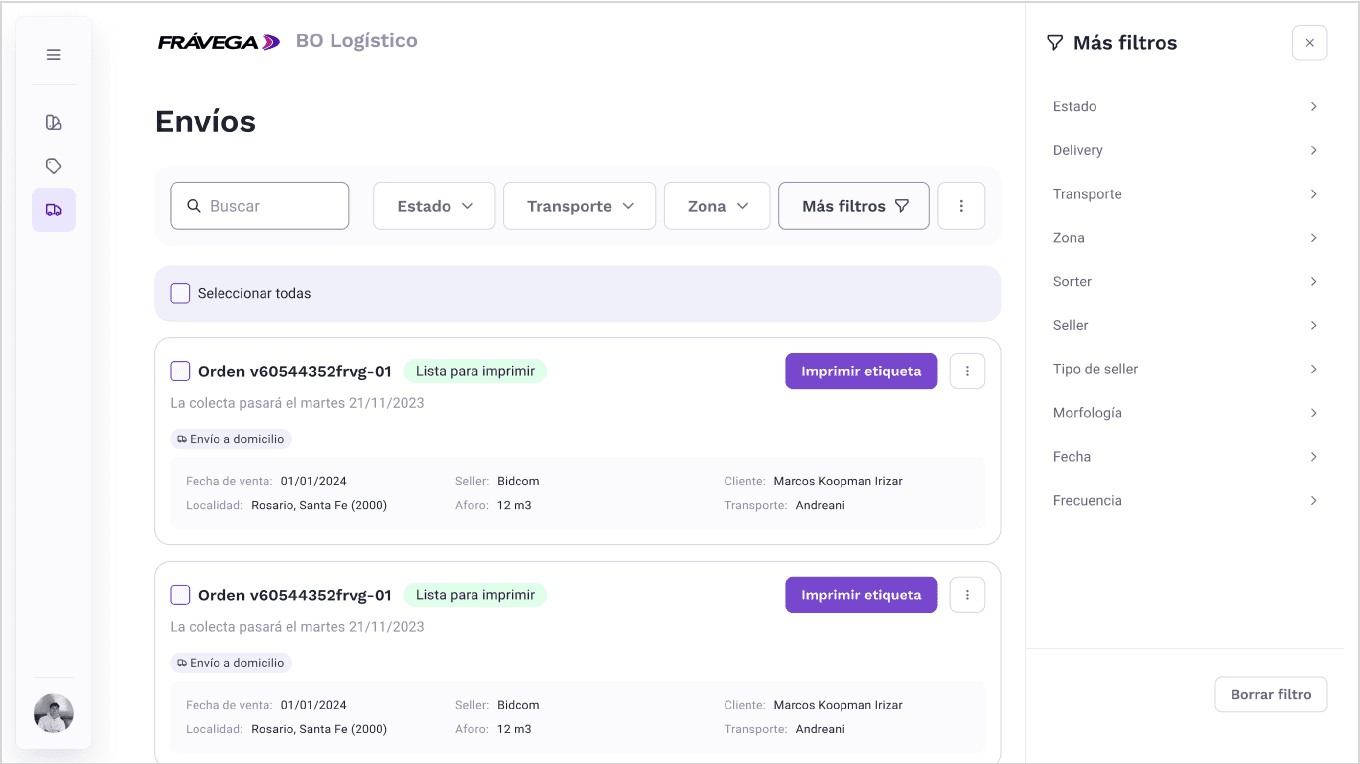
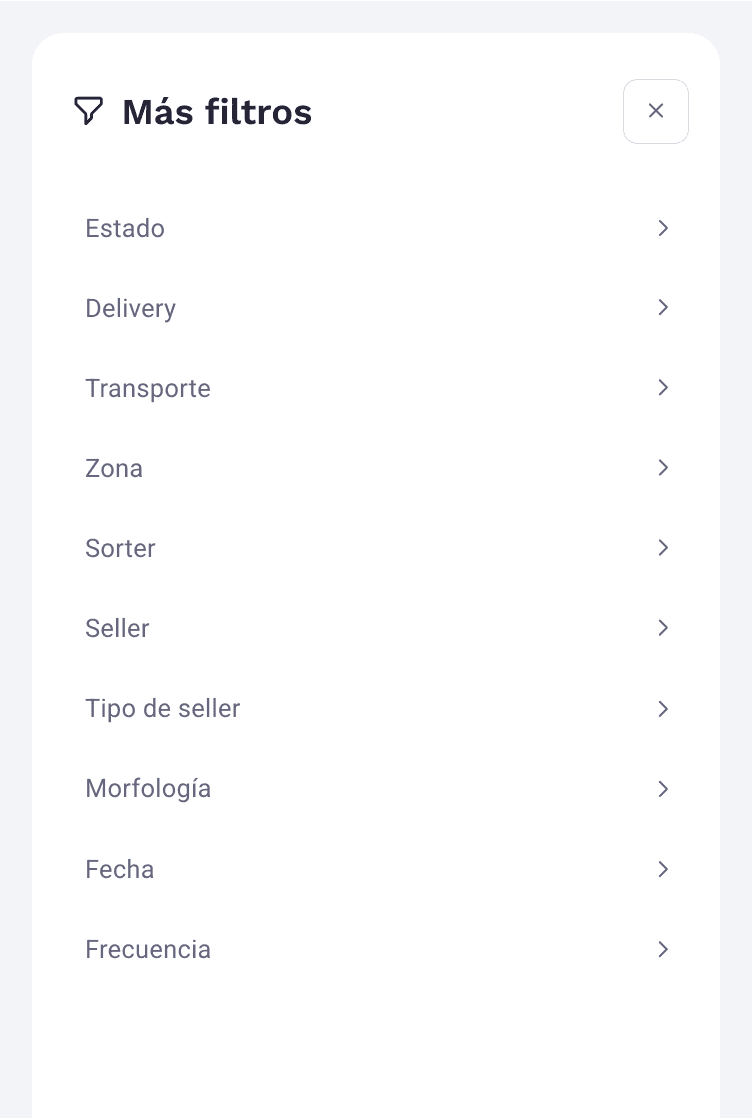
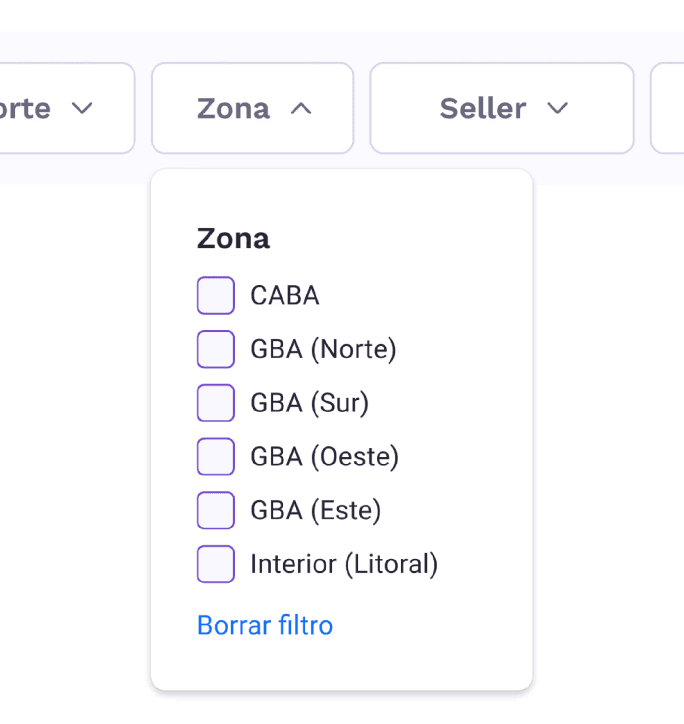
We prioritized the most frequently used filters by keeping them one click away.
For more specific needs, we designed a “More filters” expansion that preserved clarity without cluttering the interface—balancing efficiency and control.
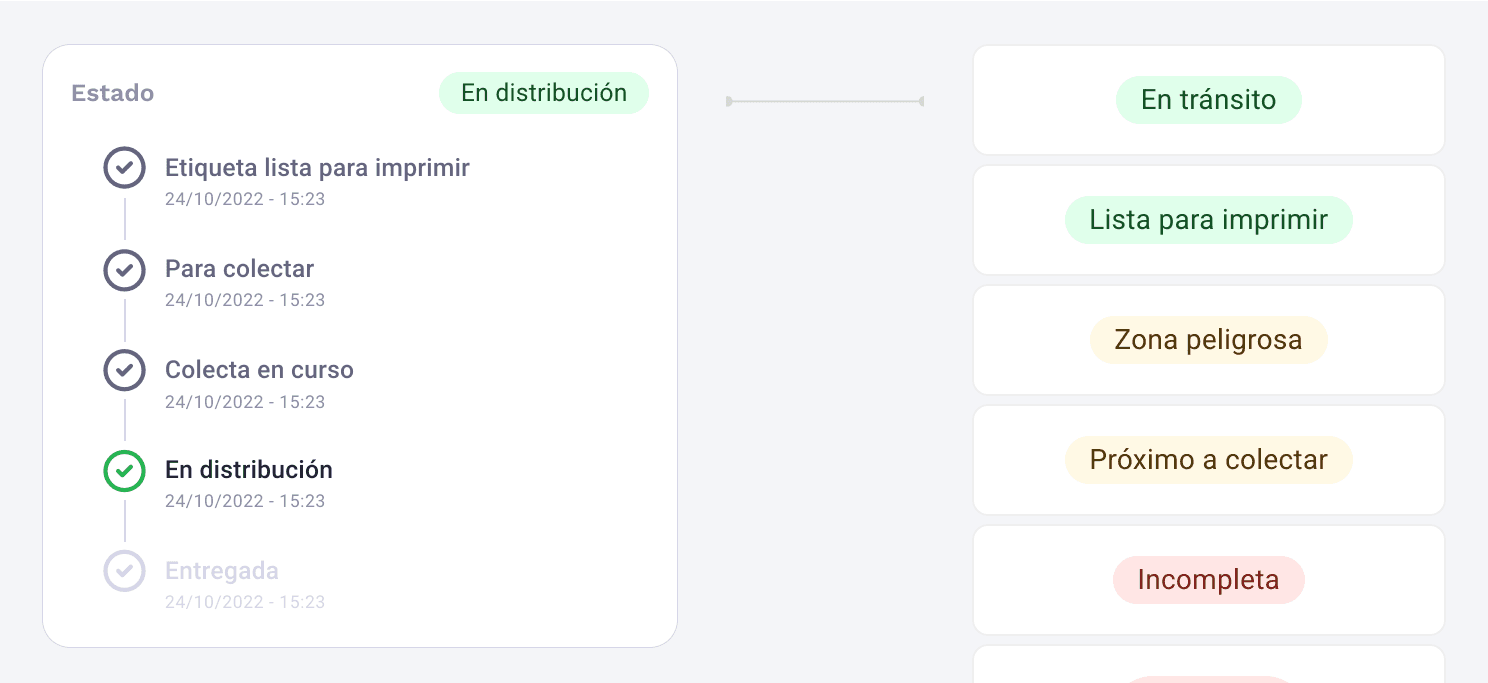
We introduced a clear visual status hierarchy using color, iconography, and typography.
This allowed users to instantly understand each shipment’s stage and make faster, more confident decisions.
All UI patterns were reused or adapted from the Bumeran Design System, reducing onboarding time, accelerating development, and ensuring consistency across products.
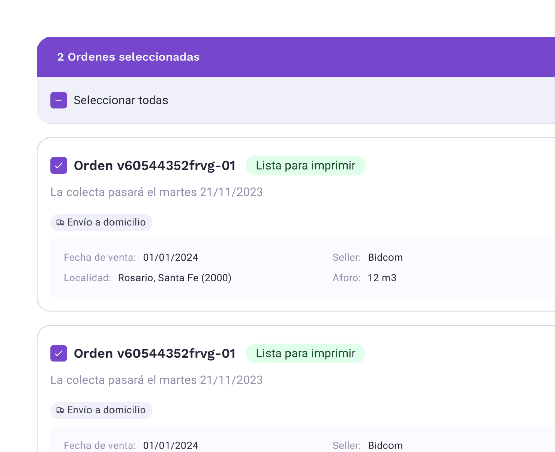
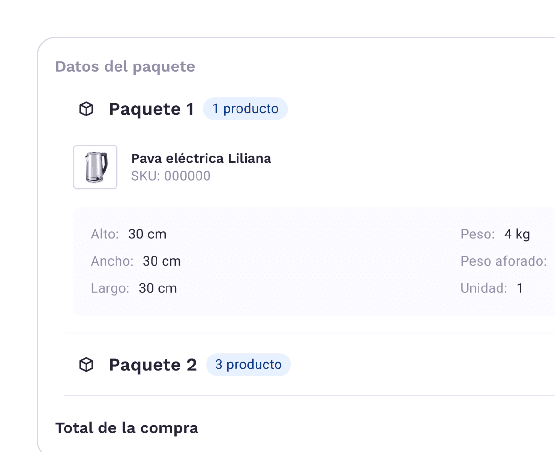

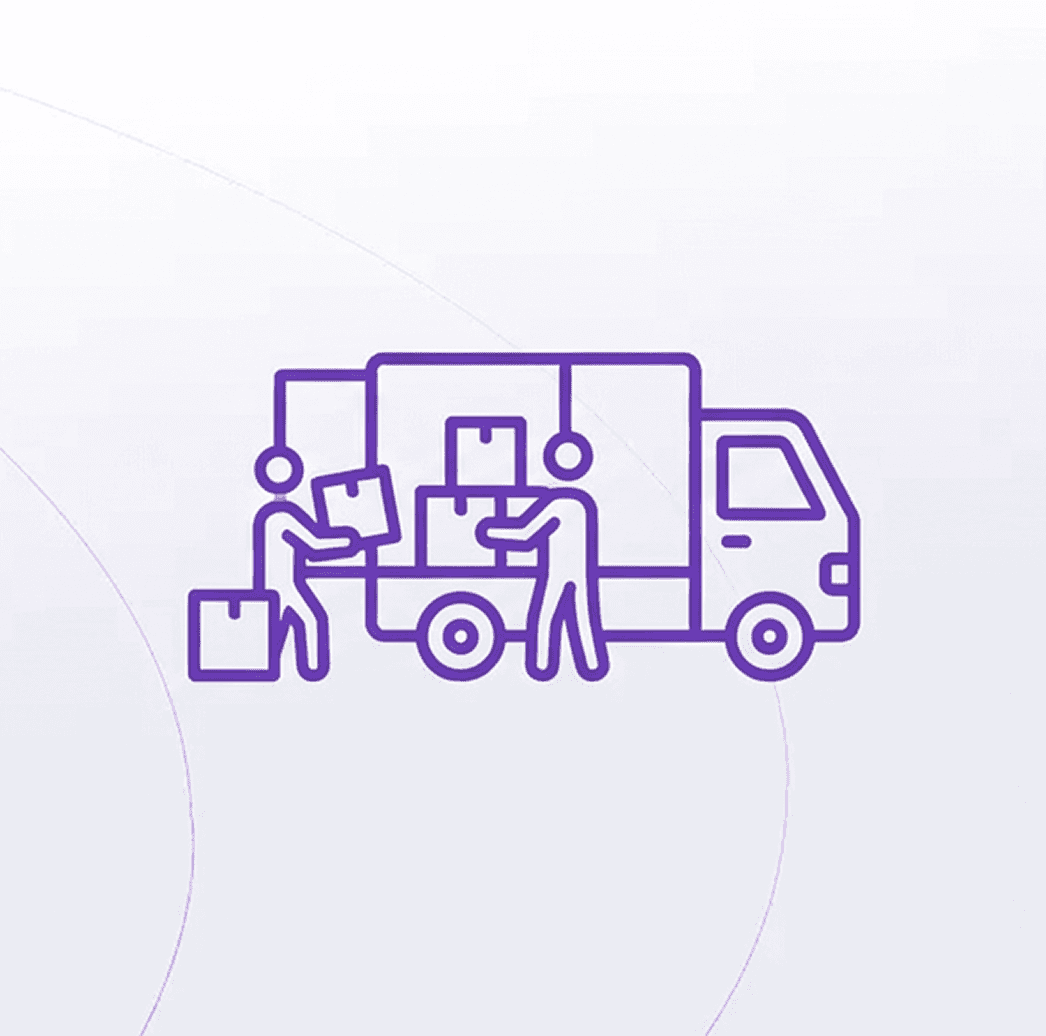
Deep exposure to internal workflows uncovered a secondary but critical pain point: the external tool used for truck loading and route planning.
Impact
Faster decisions, better operations
The redesigned backoffice supported Frávega’s logistics transformation by streamlining operations and accelerating decision-making.
0%
0%
+70% improvement in shipment tracking speed
0-
0-
Reduced operational friction through centralized workflows
0+
0+
Improved visibility and control across logistics operations
Discovery